

Elevate Your Made-to-Measure to
a New Level!
a New Level!
Want to Elevate your Professional and Lifestyle Apparel?
Experience Made to Measure taken to a whole new level,
experience the latest fabrics, technology, colors and clothing models.
Fabrics from Gladson, Carlo Barbera, Holland and Sherry,
Drago, Scabal and so much more!
Welcome! Book your no-obligation appointment today!
Welcome! Book your no-obligation appointment today!

Upcoming Event or Wedding?
We've Got You Covered!
We've Got You Covered!
Have supply chain issues left you locked out of your wedding
plans or unable to attend an important event? Don’t worry -
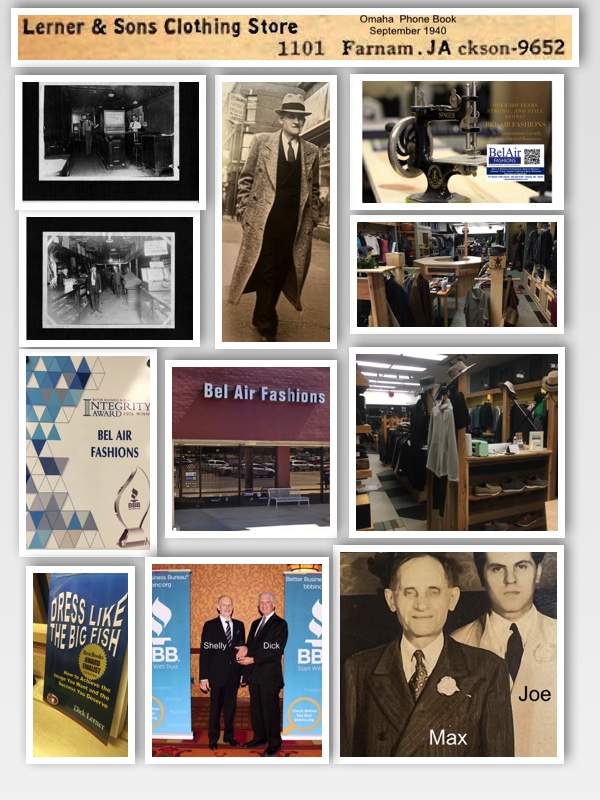
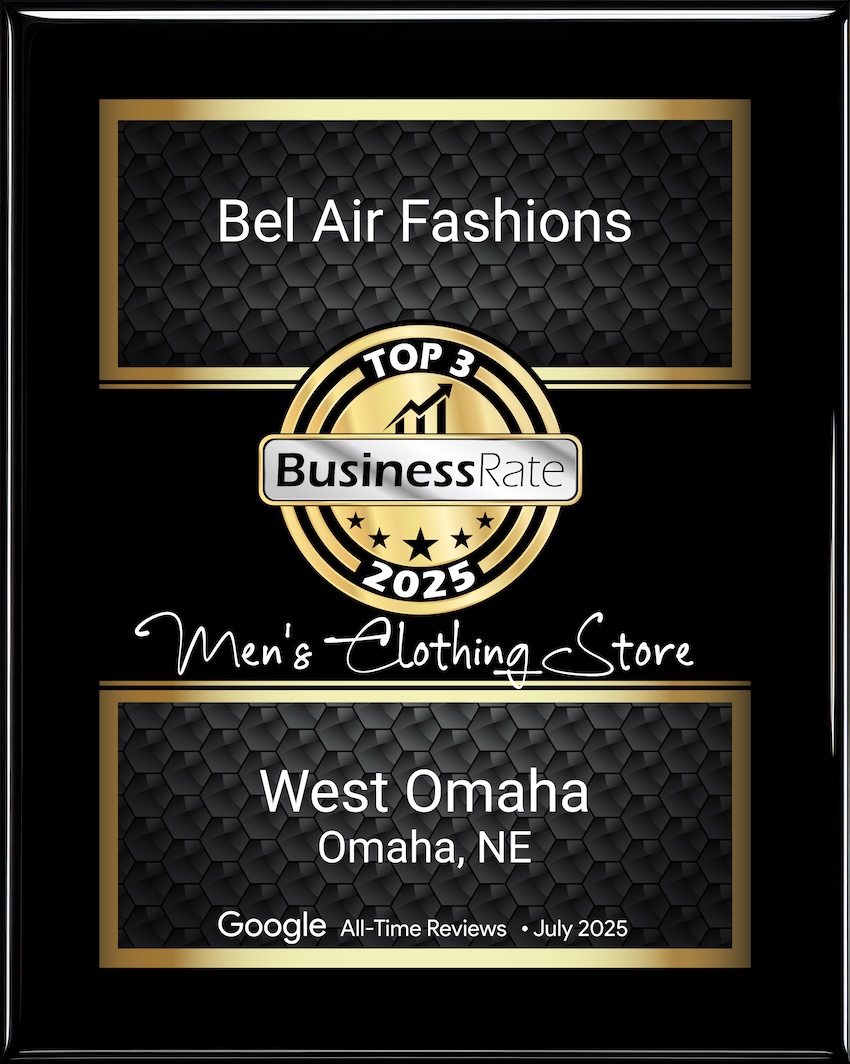
Bel Air Fashions is here to help!
With a reputation built on reliability and trust, we are committed to
being your dependable partner for all your fashion needs.
We’ve been here for you yesterday, and we’ll be here for you tomorrow.
Count on Bel Air Fashions to keep you looking your best,
no matter the occasion!
Welcome! Book your no-obligation appointment today!
Welcome! Book your no-obligation appointment today!