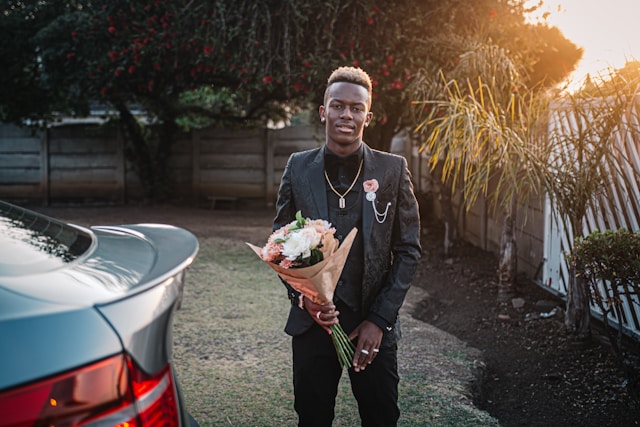
How to Use Monochrome Colors to Look Taller and Leaner

There is a common misconception that dressing well requires a complex understanding of the color wheel or an expansive closet filled with patterns. In reality, some of the most effective styles are surprisingly simple. One of those choices is monochrome dressing, a technique that’s often used by designers and stylists.
Let’s explore some of the best ways to use monochrome colors to create a stylish look.
What Monochrome Dressing Really Means
Monochrome dressing is often misunderstood as wearing the exact same shade from head to toe. In practice, it is more flexible than that. A monochrome outfit stays within one color family while allowing small shifts in shade, texture, and fabric. A dark navy jacket, a softer blue shirt, and deep blue trousers still read as one unified look.
How to Use Monochrome Colors
Here's a clear breakdown of how to make monochrome dressing work in real life, without overthinking it.
Start With a Strong Base Color
The first step is choosing the right color family. Colors like navy, charcoal, grey, olive, and beige are versatile and forgiving. They work across professional and casual settings and pair well with different fabrics.
Darker colors tend to create a longer visual line, which helps with a taller and leaner appearance. Lighter monochrome looks can work just as well, but they rely more on structure and fit to hold their shape.
Use Shade Variation to Add Depth
Wearing the exact same shade from top to bottom can feel flat. The solution is subtle variation. Stay within the same color family, but mix lighter and darker tones. For example, pair mid-grey trousers with a charcoal knit and a soft grey outer layer. The differences should be noticeable up close but blended from a distance. Shade variation is especially important for everyday wear, where comfort and movement matter.
Pay Attention to Fabric and Texture
Texture plays a quiet but important role in monochrome outfits. When color contrast is minimal, fabric becomes more visible. Mixing materials such as wool, cotton, linen, or knitwear adds dimension without breaking the look. Quality fabrics also hold their shape better, which supports a cleaner and leaner profile throughout the day.
Fit Is Not Optional
Monochrome dressing highlights fit more than almost any other approach. When everything blends visually, poor fit becomes easier to spot. Clothes should follow the body without pulling or sagging. Trousers that sit properly at the waist, jackets that frame the shoulders, and shirts that skim the torso all contribute to a streamlined effect.
This is where made-to-measure or well-fitted off-the-rack clothing makes a noticeable difference. Small adjustments can transform how an outfit looks and feels.
Use Layers With Purpose
Layering within a monochrome palette is practical and visually effective. A jacket, vest, or light coat in the same color family adds structure and interest. The key is keeping layers clean and intentional. Avoid bulky pieces that disrupt the line. Well-fitted layers add depth while reinforcing the overall shape. This approach works particularly well for travel and outdoor wardrobes, where function and flexibility are important.
To execute this look successfully, you need to think about your wardrobe as a cohesive unit rather than a collection of separate items. This requires planning. At Bel Air Fashions, we specialize in wardrobe planning that eliminates this daily guesswork. Contact us today to create your new look.

Post a Comment